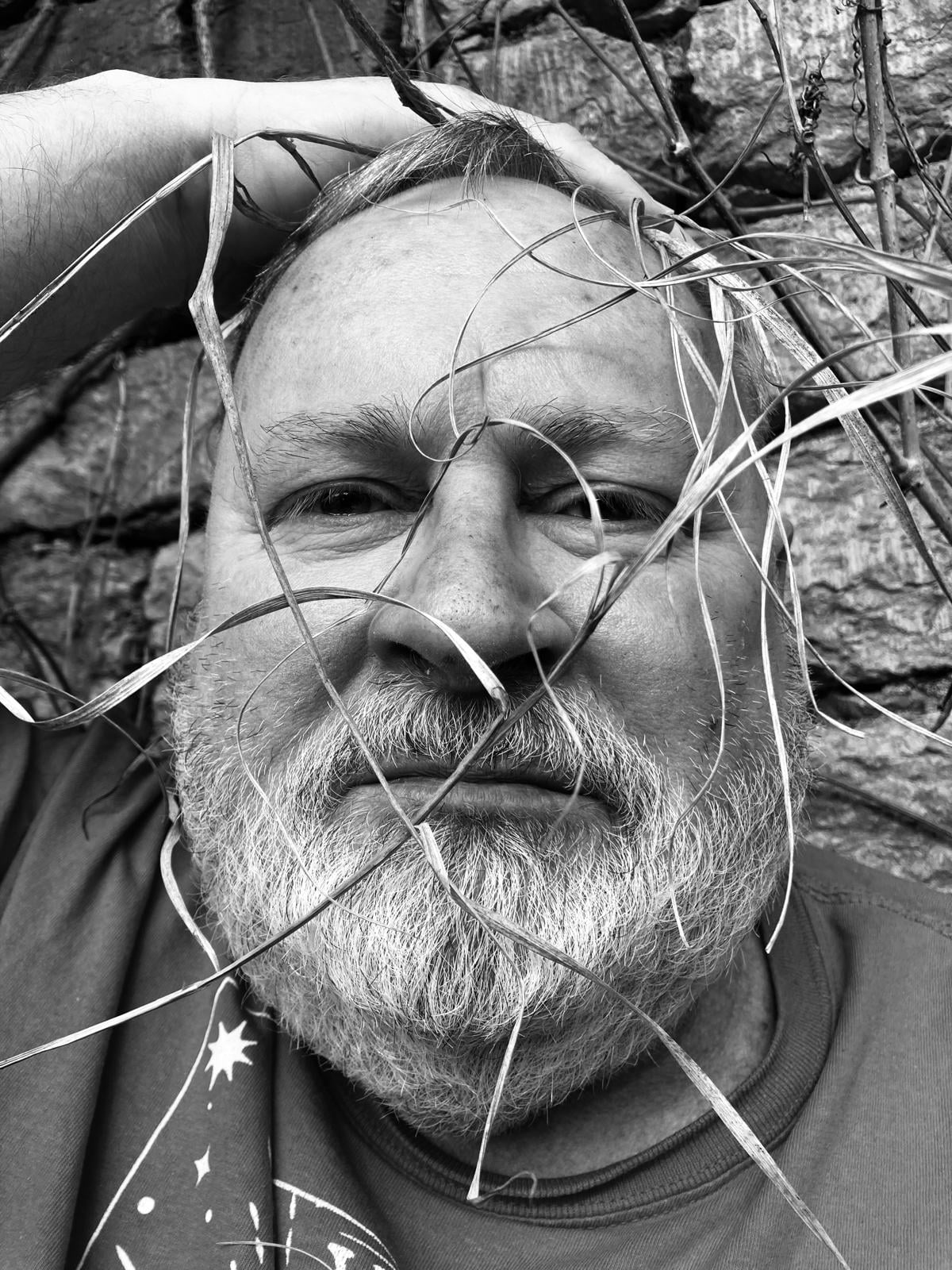
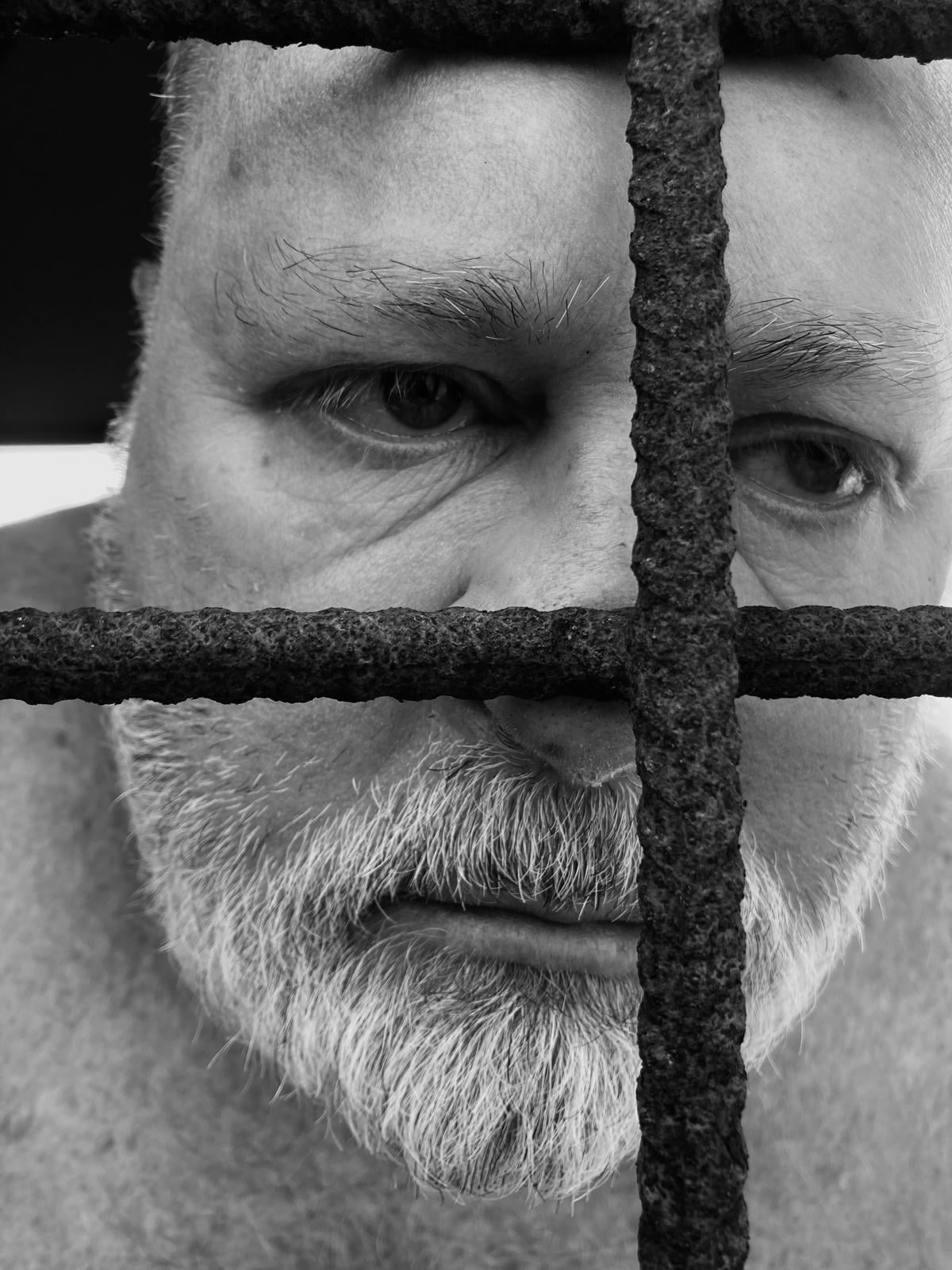
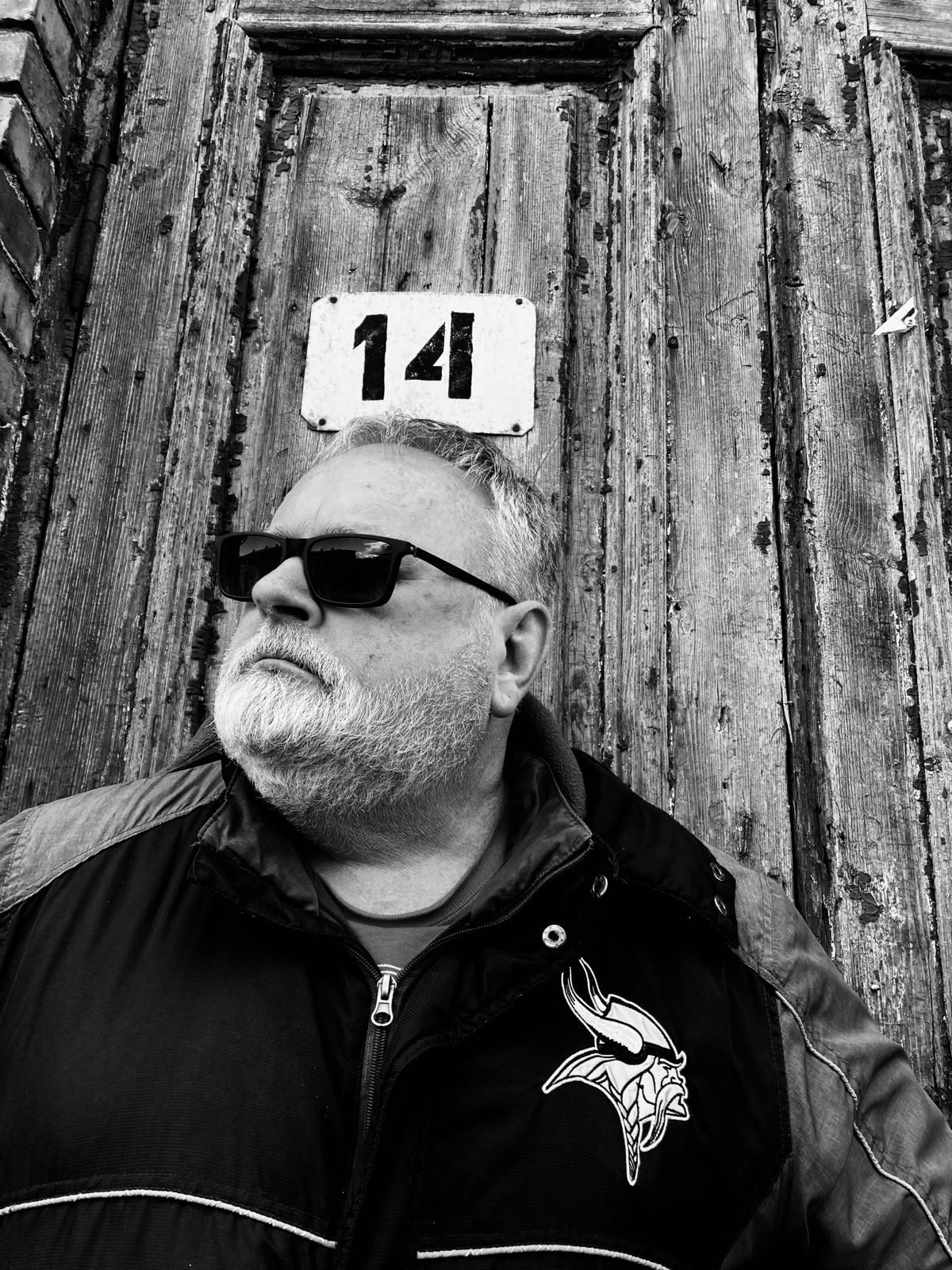
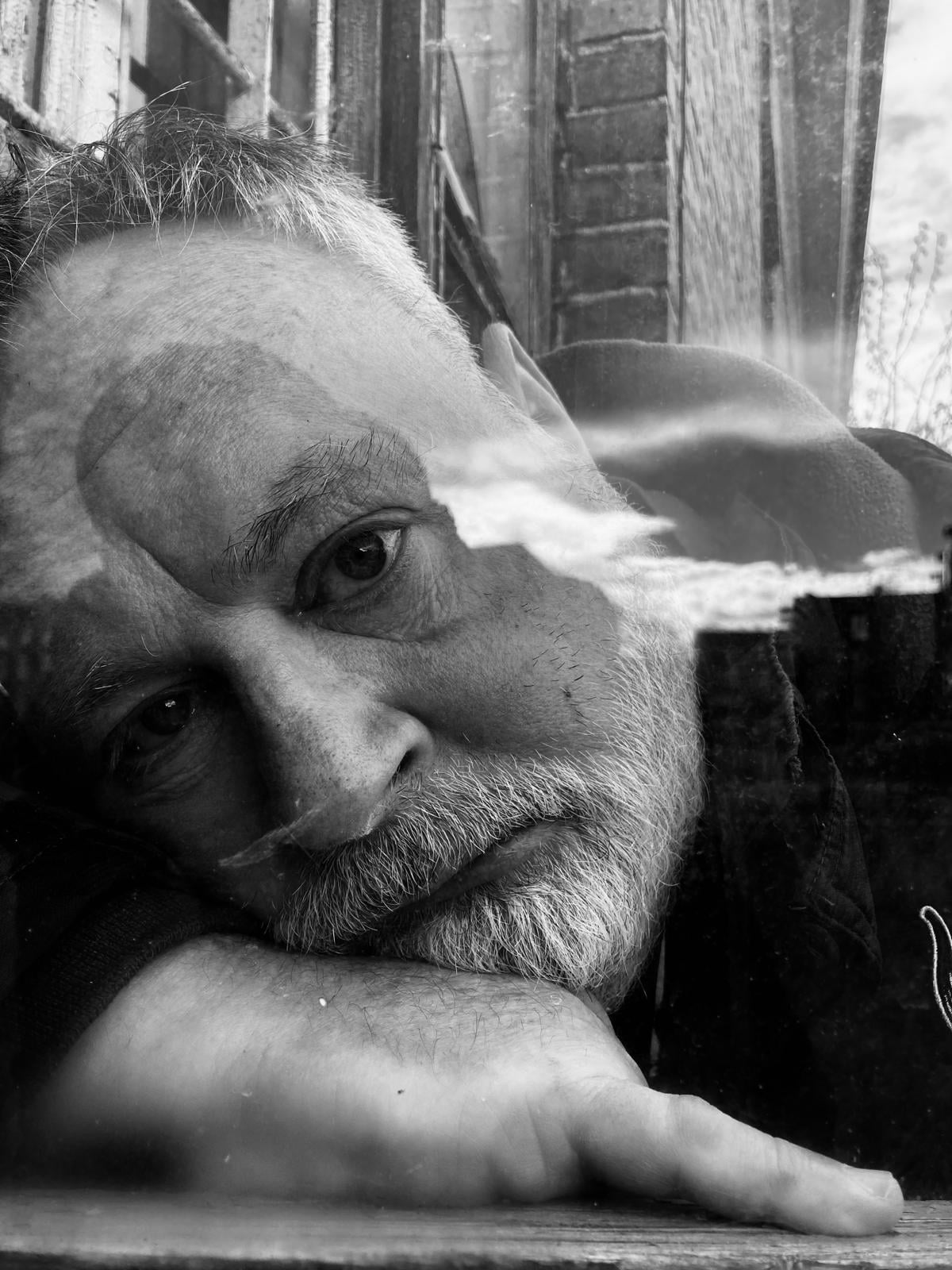
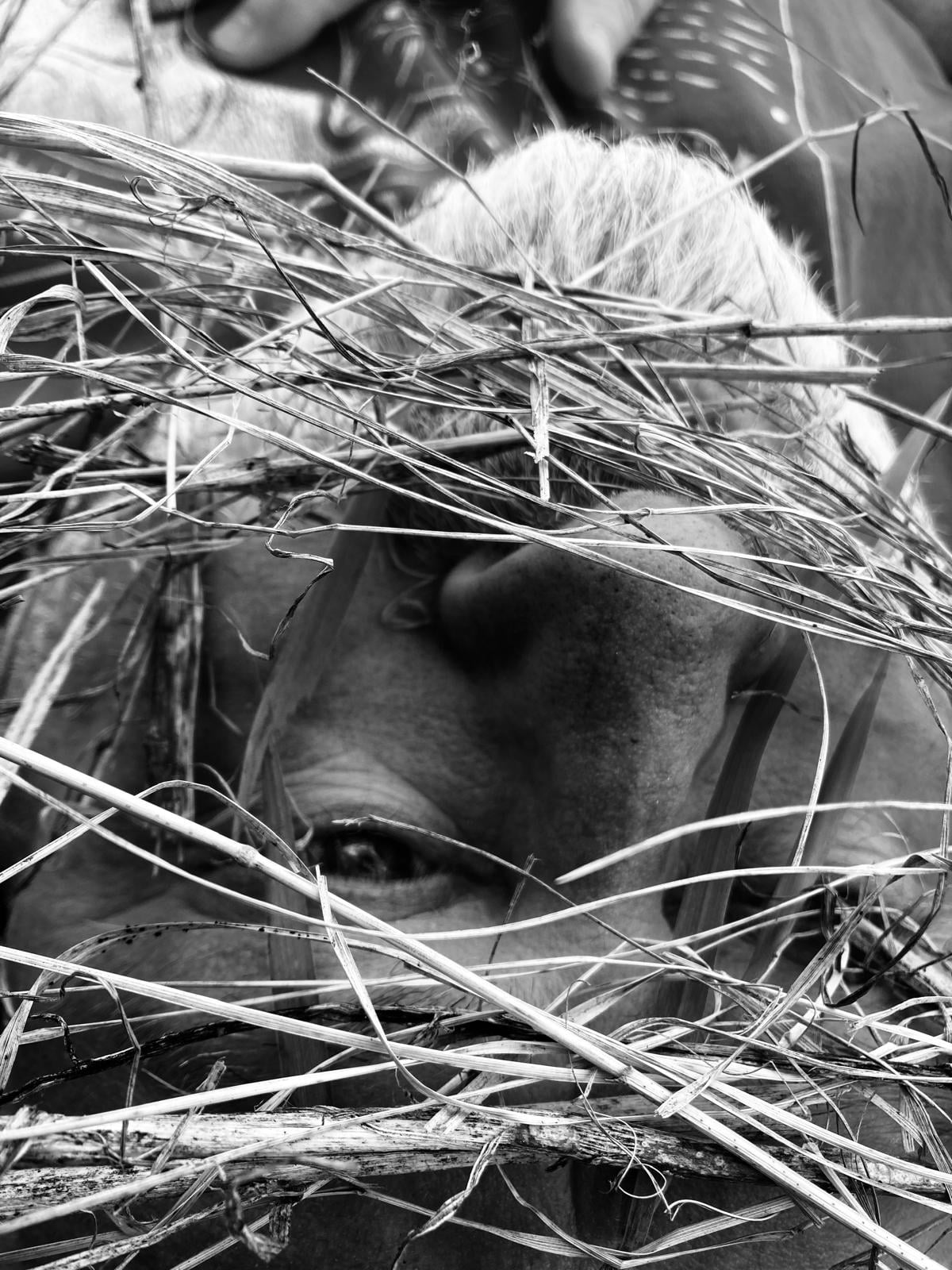
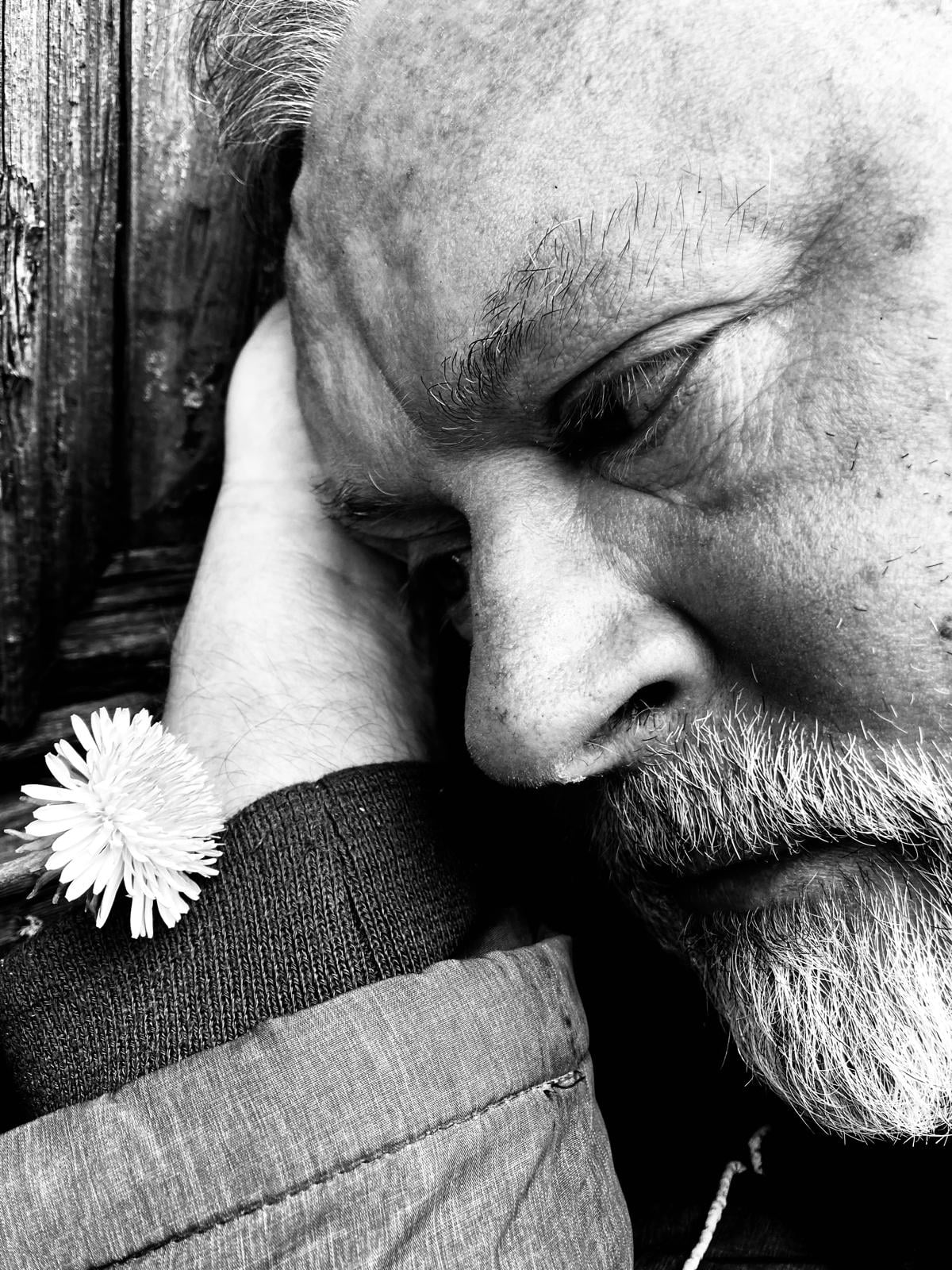
TALLINN: PORTRAITS is a site-specific photography project by Josef Ka, realized in April 2025 in Tallinn.
Following previous editions in Vienna (Summer 2024), Madrid (March 2025), Brussels (April 2025), Paris (April 2025), and Warsaw (April 2025), the project examines the connection between a person and the city through portrait photography and site-specific practice.
In this project, Josef Ka positions herself both as a photographer and as a site-specific artist, working with urban space as an active element of the portrait.
For the Tallinn edition, participants proposed three locations in Tallinn that were personally significant to them. One location was then selected for a one-hour photo session.
The project is based on the idea that a city is shaped not only by architecture and infrastructure, but also by the physical presence, memory, and movement of the people inhabiting it.
“The place makes the man, and the man makes the place.”
For the Tallinn edition, Josef Ka selected Paul Baudoin as the participant of the project.
Paul Beaudoin is an interdisciplinary artist who left the US in 2018 to live in Tallinn, Estonia. He now devotes himself to making things and releasing the trauma of shame – full-time – and is probably happier than he has ever been.

On Making a Portrait at Patarei Prison
By Paul Beaudoin
Patarei Prison is one of the most haunting places in Tallinn. Built in the 19th century and later used by both Soviet and Nazi regimes, it became notorious as a site of incarceration, torture, and execution for political dissidents during the Soviet occupation. The prison sits on the edge of the Baltic Sea—its inmates once forced to stare out at a freedom they no longer possessed.
Since its closure in 2005, the building remained in decay, its emptiness echoing with memories too powerful to be erased. More recently, a real estate developer has begun the controversial process of converting part of the site into a luxury hotel. That tension—between historical trauma and capitalist repurposing—haunts every corner of Patarei.
Today, Patarei also houses the Museum of Communist Crimes, a sobering and necessary reminder of what took place there. I’m honored that the museum has acquired one of my photographs for its collection.
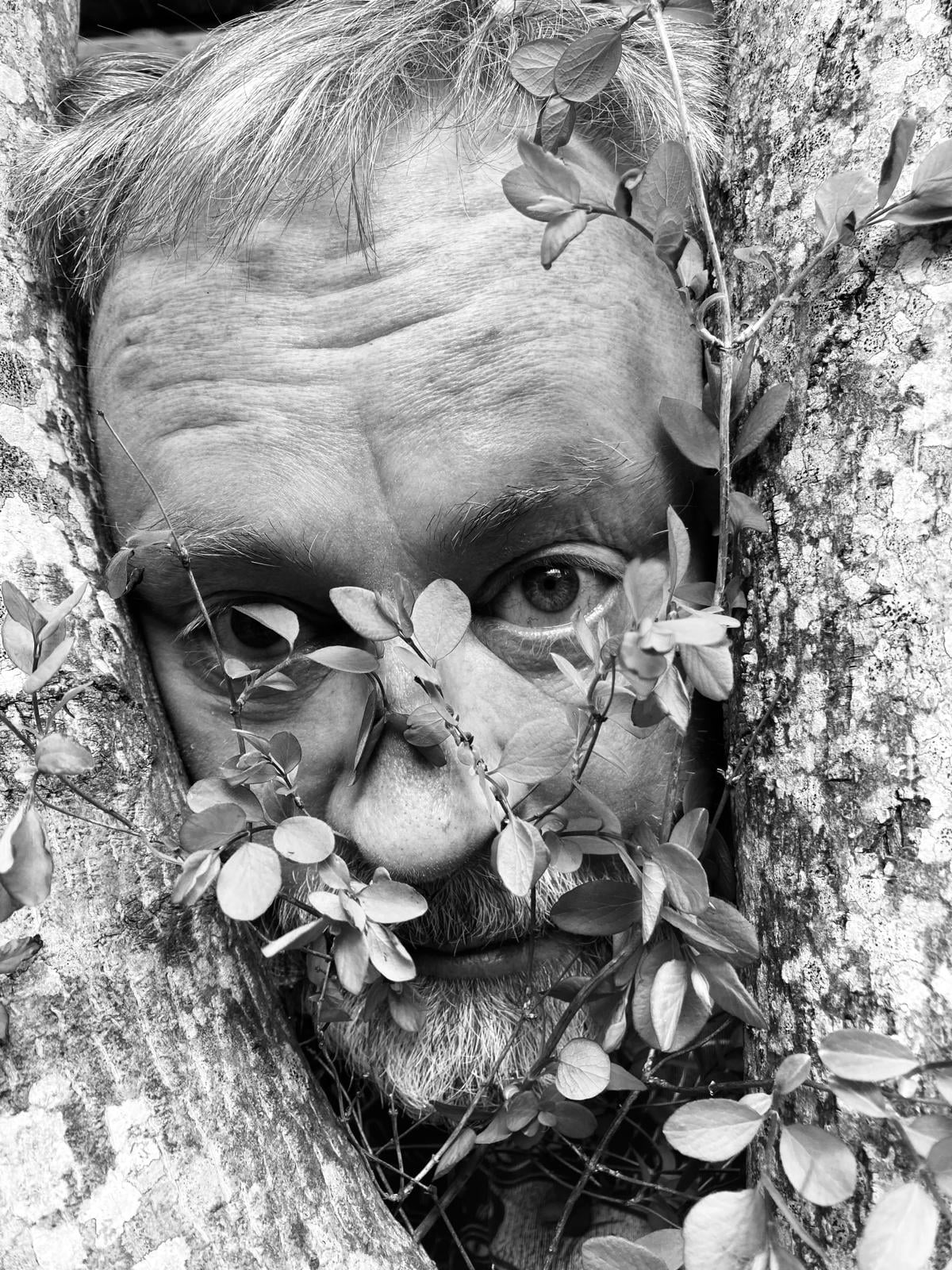
The image is situated between two trees. Flowers obscure my face. It could be read as a memento mori, but it also suggests resilience, renewal, and hope in the face of violence, abandonment, and forgetting. The trees are still growing. The flowers are still in bloom. Even in places marked by unthinkable cruelty, new life asserts itself.
As an artist who relocated from the United States to Tallinn, I’m drawn to spaces marked by memory and transformation. Moving here was, in many ways, a kind of personal reorientation—a quiet attempt to start again in a neighborhood shaped by the past, yet vibrantly alive. It’s no accident that I chose Patarei’s grounds to make this portrait.